A Lebanese sweet can be recognised by much more than sweetness. Texture, a filling, a shape or a small amount of floral aroma may be what makes it familiar. Each element has its own history. Tracing them separately is more revealing than assuming every syrup-soaked pastry shares one ancient origin.
What the evidence can tell us
Sugar’s history, flower-water production and modern holiday customs are documented separately. They do not establish a single inventor or continuous ancient lineage for every sweet.
Sugar was not always an everyday cupboard staple
Historical research on sugar-based medicines describes references to sugar in ancient medical writing, but very restricted circulation in the early Mediterranean. It then examines the movement of sugar preparations between the medieval Islamic world and Byzantium. This distinction matters: knowing of sugar is not the same as having inexpensive sugar for ordinary household baking.[1]
It would be equally misleading to claim that sugar did not exist until modern factories. The historical question is about where it was produced, how it was processed, who could obtain it and what they did with it. A history of sweetness should investigate price and access alongside ingredients.
Orange blossom water comes from flowers
Slow Food Beirut’s account of mazaher describes a distillate of bitter-orange blossoms, used in foods, drinks and sugar syrup. It is not orange juice. Its character comes from the flowers rather than a squeezed fruit, which is why substituting one for the other changes the idea of a dessert.[2]
The same record describes Lebanese white coffee as hot water with orange blossom water. The name is a useful reminder that a familiar food word does not always tell you the ingredients. It also gives the flower water a place beyond the pastry tray.[2]
Rose water has a separate identity
Slow Food’s mawared entry describes rose water made from Damascus rose petals and used in sweets including baklawa and ma’amoul. It also discusses seasonal production and the difference between floral distillates and products sold with artificial essences. The record supports reading a bottle’s ingredients carefully; it does not justify assuming every product bearing the same name is equivalent.[3]
When comparing recipes, record which flower water is used rather than treating “floral flavouring” as one ingredient. Ask whether the cook combines them, uses only one or leaves both out. Those distinctions can explain why two otherwise similar sweets evoke different memories.
Ma’amoul: a shape, a filling and an occasion
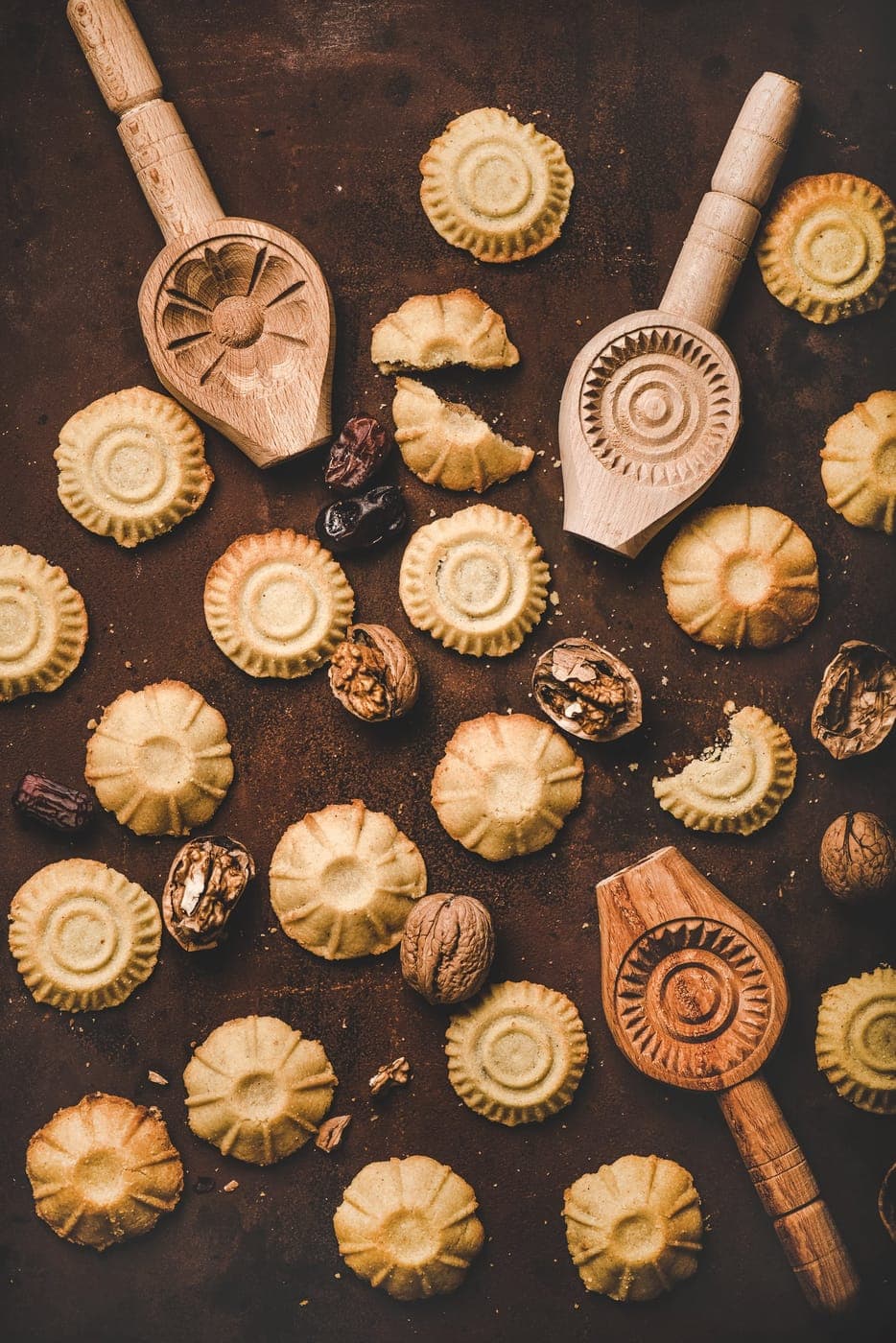
Abood’s account places ma’amoul within contemporary celebrations including Easter and Eid, and describes moulded cookies with fillings such as dates and nuts. The practice joins cooking to occasions and shared work. That documented living tradition is valuable without a claim that today’s exact cookie has survived unchanged from ancient Egypt or Phoenicia.[4]
A particularly useful family record would photograph each mould alongside the filling it signifies in that household. Do not assume the same shape means the same filling everywhere. Ask who made the dough, who filled, who shaped and who decided the cookies were ready to leave the oven.
Let each sweet keep its own story
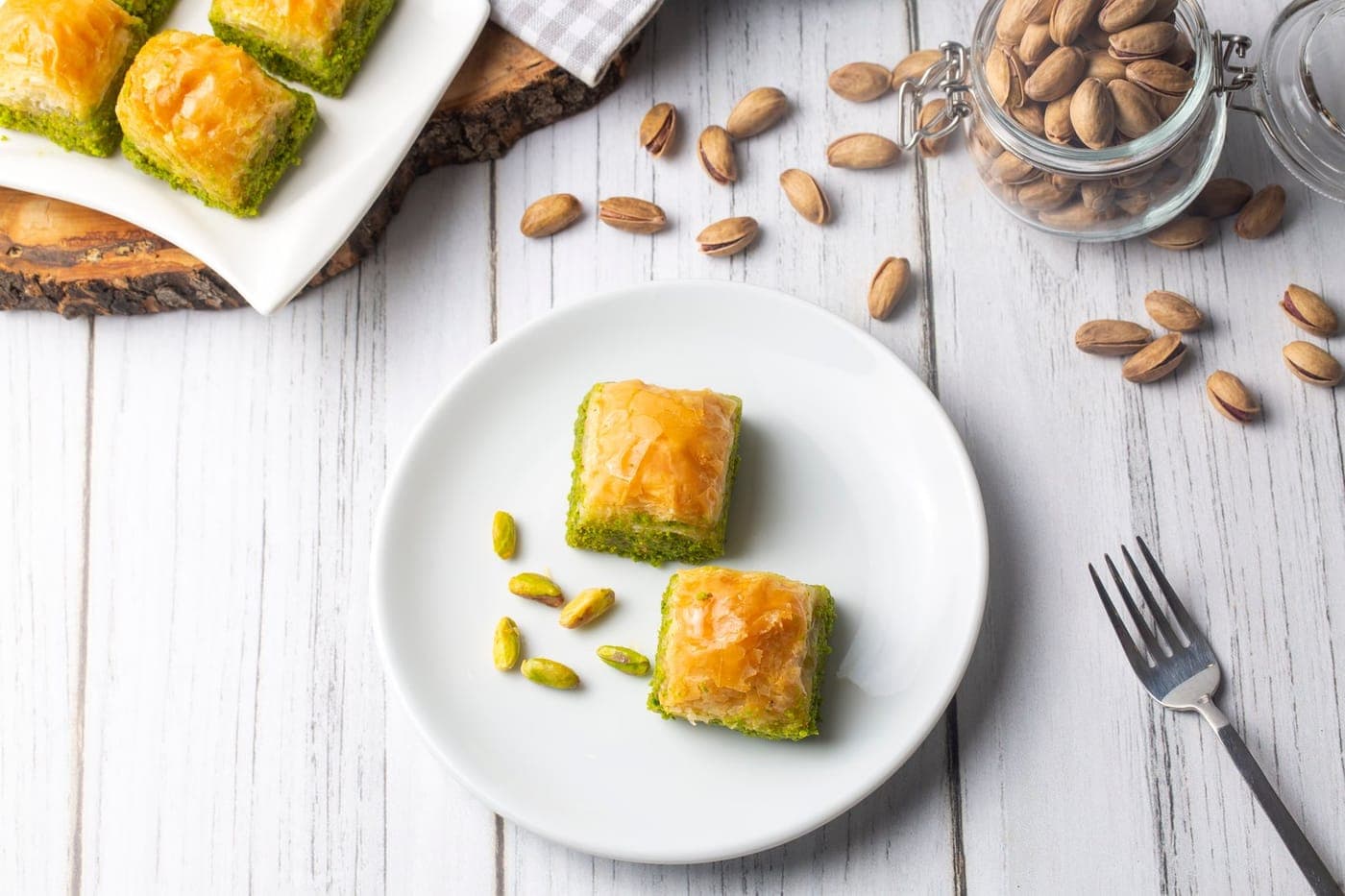
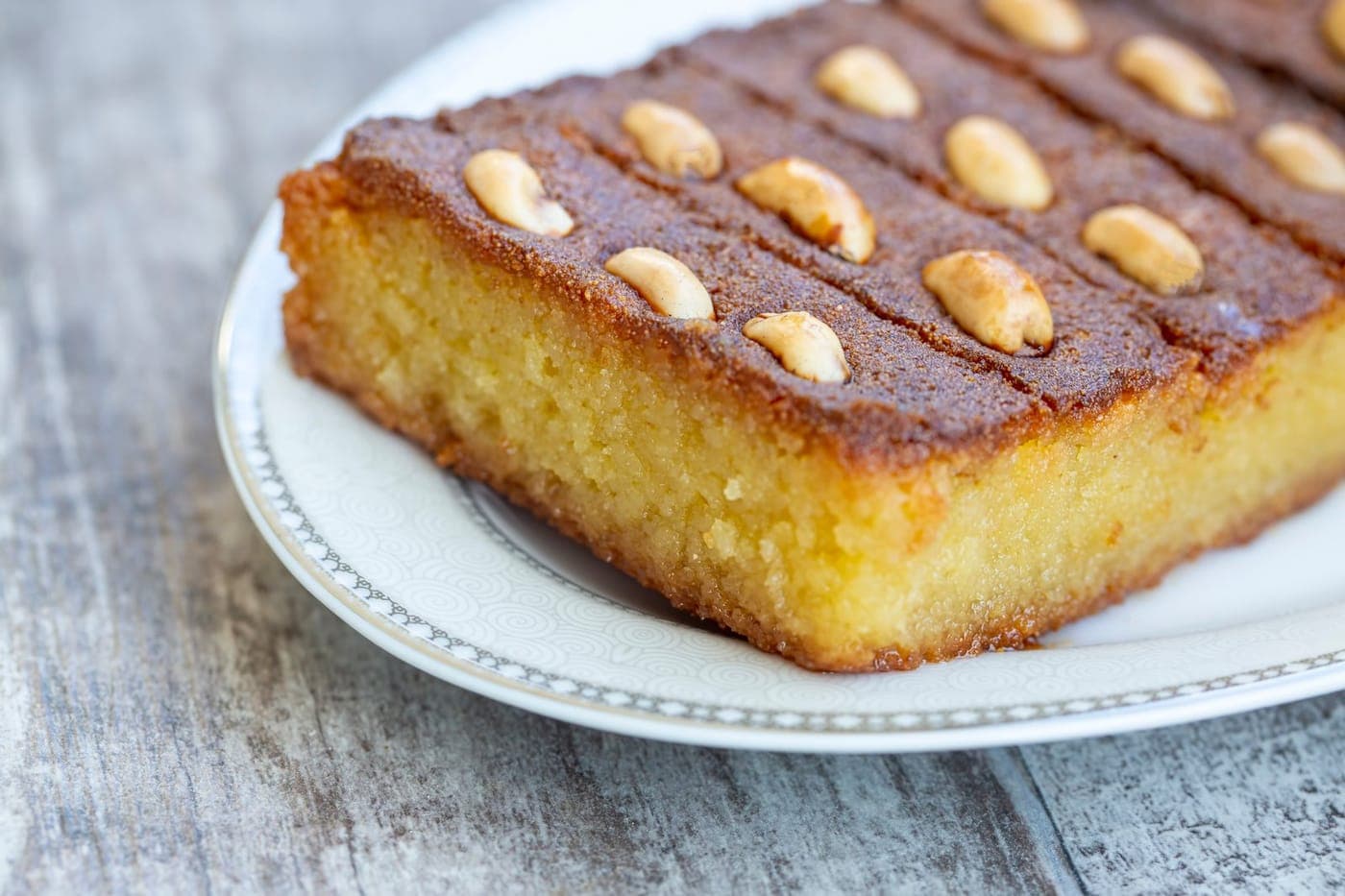
Our recipe collection introduces knafeh, namoura, baklawa, milk puddings and atayef. Their names should not be collapsed into one story about “Middle Eastern dessert”. Future historical work can compare specific dated recipes, pastry-shop practices and regional terminology. Until those sources have been examined, a confident inventor, royal anecdote or exact birthday would be more decoration than history.
What to carry to the table
The history of sweets includes access to ingredients, the making of aromas and the work of celebration. No single origin story can do all three justice.
Ask someone who remembers.
Which scent tells you that a particular celebration is approaching before you have seen the food?
Share a story or a correction ↗Sources & further reading
Historical evidence and contemporary cooking references serve different purposes. The notes below explain how each source was used. Sources checked 29 August 2026.
- Cross-cultural Transfer of Medical Knowledge in the Medieval Mediterranean: Sugar-based Potions ↗
Historical research, PubMed Central
Historical analysis of sugar’s restricted early circulation and medieval medicinal exchange; not a history of every Lebanese sweet.
- Mazaher ↗
Slow Food Foundation, Slow Food Beirut
Orange blossom distillate, syrup and white coffee. Its single-inventor distillation story and medical claims are not used.
- Mawared ↗
Slow Food Foundation, Slow Food Beirut
Rose water production and dessert use. Unverified invention dates and medical claims are not used.
- Maamoul Filled Cookies ↗
Maureen Abood
Modern holiday practice, fillings and moulds. No claim of a proven ancient cookie lineage.