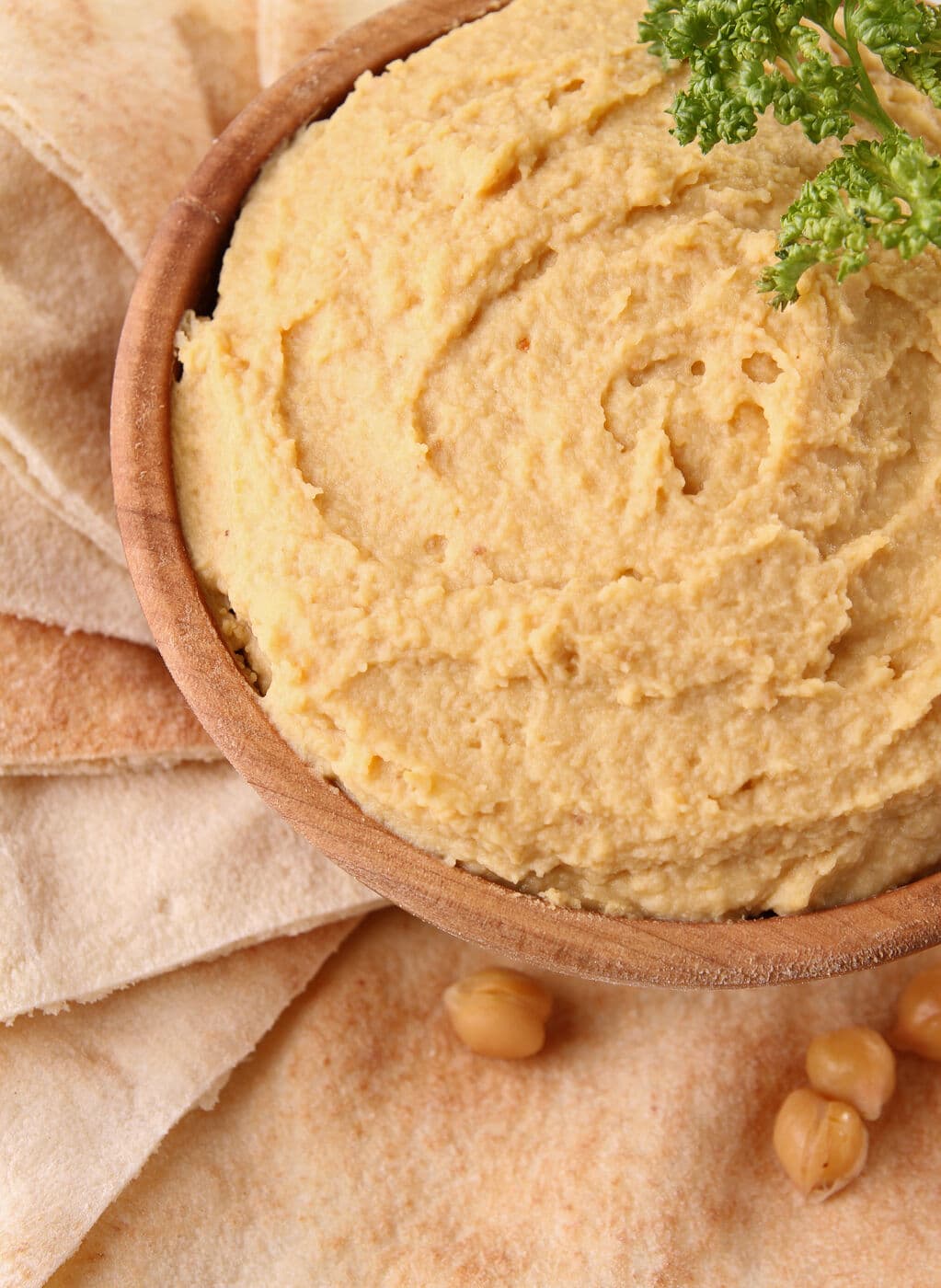
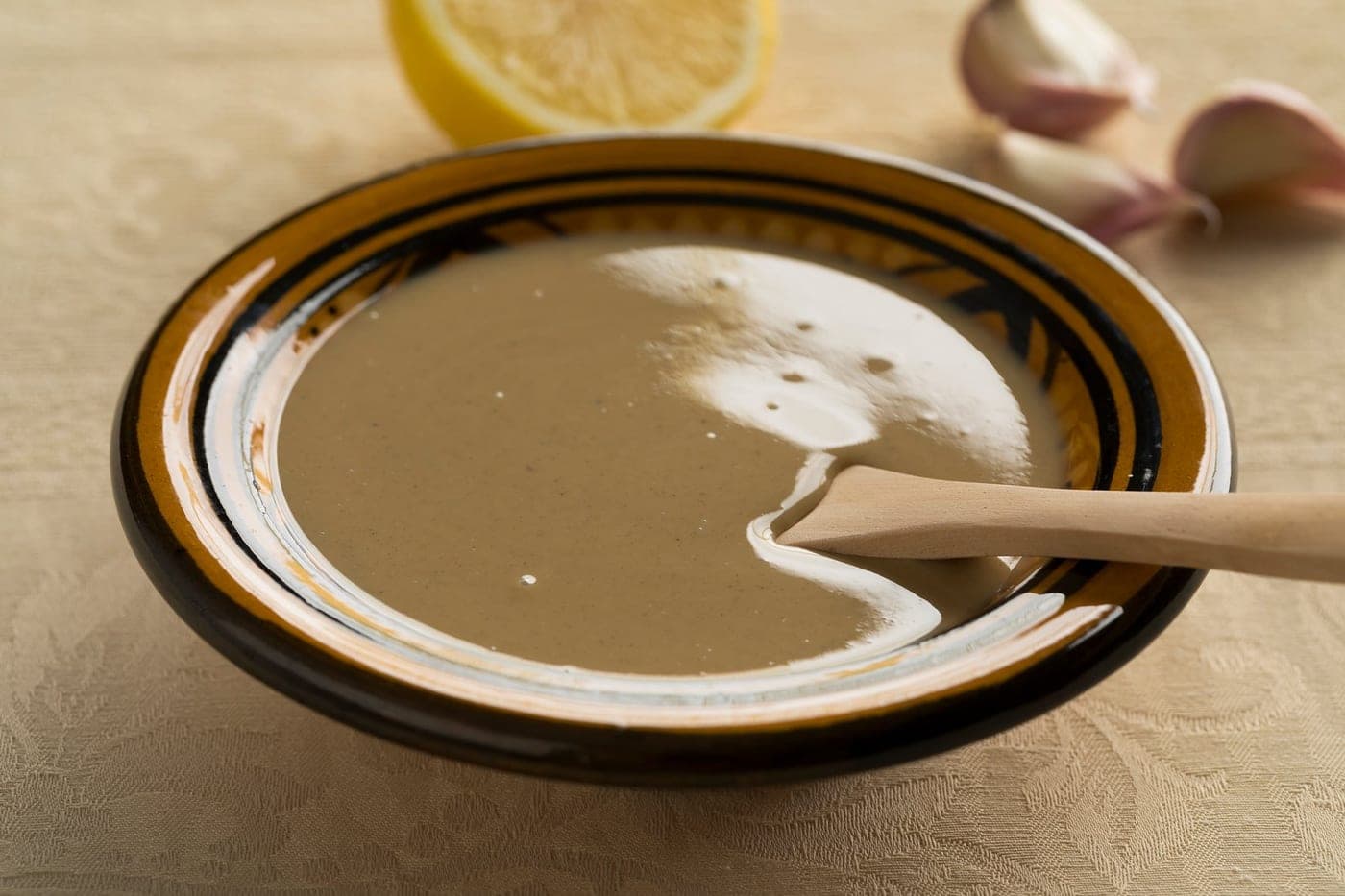
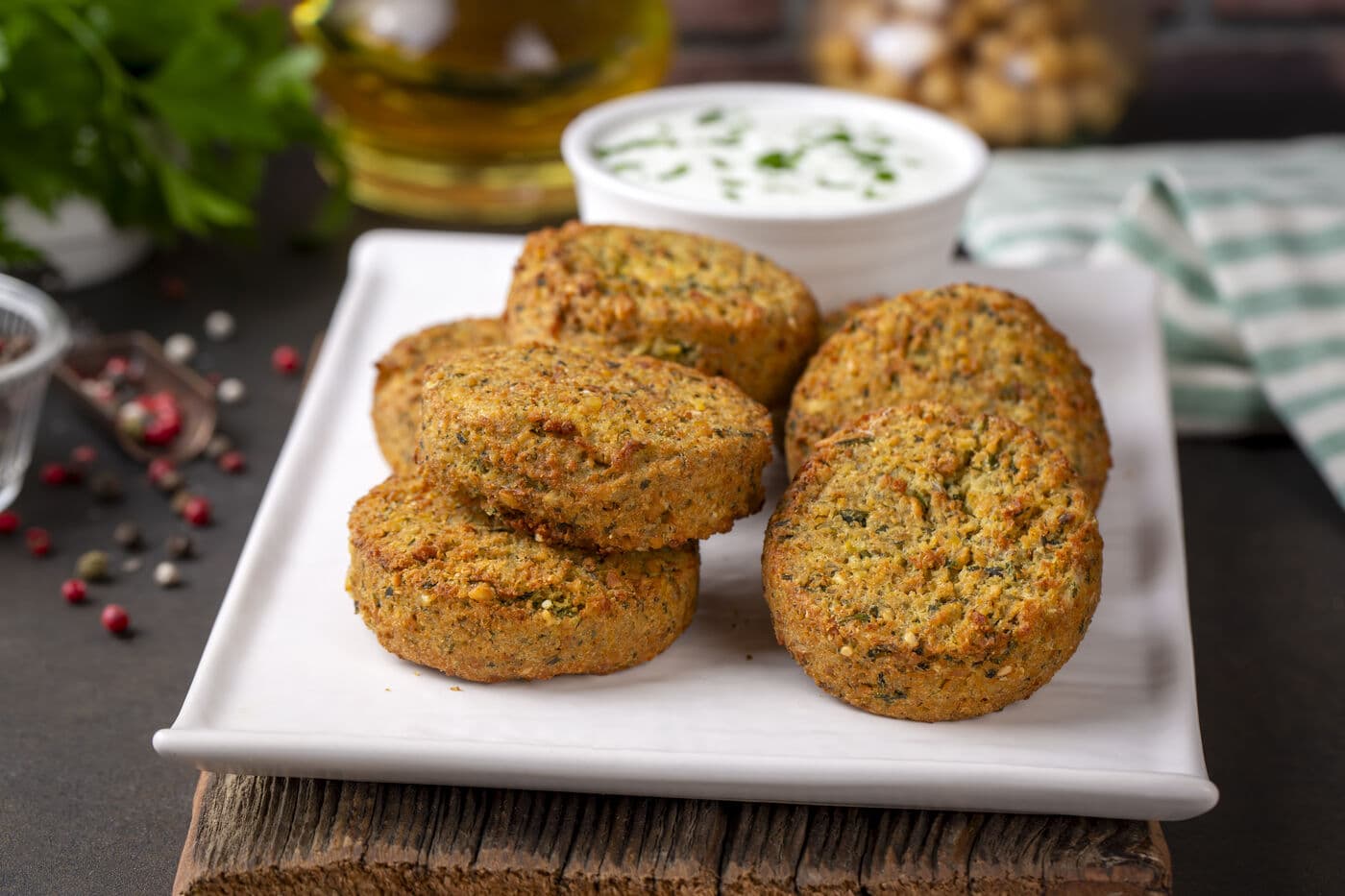
A beige bowl can hide a great deal of difference. Plain tahini, hummus and lemon-tahini sauce may share an ingredient, but their jobs at the table are different. Understanding that distinction is also the first step towards writing a better history: we need to know exactly which preparation we are tracing.
What the evidence can tell us
The age of chickpea or sesame cultivation does not establish the age, inventor or modern national ownership of hummus bi tahini.
An old crop is not a dated dip
In the author excerpt for Hummus: A Global History, Harriet Nussbaum distinguishes ancient chickpea consumption from the later evidence for chickpea dips and pastes. Her account places the latter in medieval culinary history. This is why finding chickpeas in an ancient society cannot, by itself, put modern hummus on its table.[1]
A convincing early-hummus argument needs a text or material evidence for a preparation, not just its ingredients. Even then, we should compare the actual contents and method. Does a recipe have sesame paste? What supplies its acidity? Is garlic present? How is it served? Similarity can be meaningful without making two preparations identical.
Paste, dip and sauce
Tahini is ground sesame paste. Lemon-tahini sauce adds other ingredients: in Maureen Abood’s version, lemon, garlic, salt and water turn the paste into something smooth enough to pour or dip into. She also describes the familiar stage where tahini stiffens as liquid is first added, before more water brings it towards the desired consistency.[2]
On this site, tarator names the lemon-tahini sauce served with foods such as falafel and fish. Hummus has cooked chickpeas at its centre. Toum is the garlic-and-oil sauce discussed in its own article. A photo of one is not a reliable illustration of the others, even if the bowls are similarly coloured.
The medieval kitchen deserves its own chapter
The thirteenth-century Syrian cookbook translated by Charles Perry as Scents and Flavors offers a valuable alternative to vague claims about “ancient food”. NYU Press’s description includes apricot drinks, stuffed eggplant, pistachio chicken and almond pudding, together with fragrances and hand soaps. It describes a particular culinary world, with attention to the whole dining experience.[3]
A published cookbook is a voice from a particular context, not a survey of every household. Elaborate banquet dishes should not be used to make all historical eating sound luxurious. Nor does a recipe recorded in Syria settle ownership between present-day countries. Writing, cooking and eating have always been different kinds of evidence.
What to notice at the table
Taste the components separately before discussing whether a bowl seems right. Is sesame supplying the main flavour, or supporting the chickpeas? Is the texture intended for spreading or pouring? Does lemon brighten the mixture without hiding everything else? These are more useful observations than judging authenticity by colour alone.
Our recipe links below distinguish the preparations. They are contemporary recipes and introductions, not reconstructions from a medieval manuscript. Where a recipe is only previewed online, its page says so; the heritage article is a separate, freely readable account of the food.
What to carry to the table
Separate the history of the plant, the history of the preparation and the modern name on the bowl. That makes both the cooking and the storytelling more accurate.
Ask someone who remembers.
What balance of chickpea, sesame and lemon makes hummus taste familiar to you?
Share a story or a correction ↗Sources & further reading
Historical evidence and contemporary cooking references serve different purposes. The notes below explain how each source was used. Sources checked 29 August 2026.
- Hummus: A Global History ↗
Harriet Nussbaum, Reaktion Books / University of Chicago Press
Publisher-hosted author excerpt consulted for the difference between ancient chickpeas and medieval dips.
- Tahini Sauce ↗
Maureen Abood
Contemporary sauce ingredients and consistency, distinct from plain sesame paste.
- Scents and Flavors: A Syrian Cookbook ↗
NYU Press, Library of Arabic Literature
Publisher description of Charles Perry’s translation of a thirteenth-century text. Description consulted, not the full manuscript.