A bowl of grain rarely tells you all the work that happened before it reached the kitchen. Nor does one plate of kibbeh stand for every version of the dish. These foods become easier to understand when we look at preparation, texture and regional practice rather than searching for one fixed formula.
What the evidence can tell us
Contemporary producer records and recipes establish particular practices. Freekeh’s burning-field tale is a legend, not a securely dated account of invention.
Bulgur is already a processed grain
Bulgur, also written burghul, is parboiled cracked wheat. Slow Food’s account of Lebanese kishk identifies it as the grain mixed with milk or yoghurt. It has already undergone preparation before it is used in the next dish, which is why “wheat” and “bulgur” should not be treated as interchangeable recipe instructions.[1]
Grind size is another part of the story. When recording a family recipe, preserve the description on the packet or ask the cook to show the grain. “A cup of wheat” leaves a future reader to guess what the cook could identify at a glance. Those small practical details are part of culinary knowledge.
Kibbeh is not only one meat preparation
Maureen Abood documents a Lebanese pumpkin kibbeh with a spinach and chickpea filling. This contemporary vegetarian preparation is a useful corrective to the assumption that kibbeh must always mean a particular meat dish. Its existence is evidence for variety, not proof of when all vegetarian kibbeh began.[2]
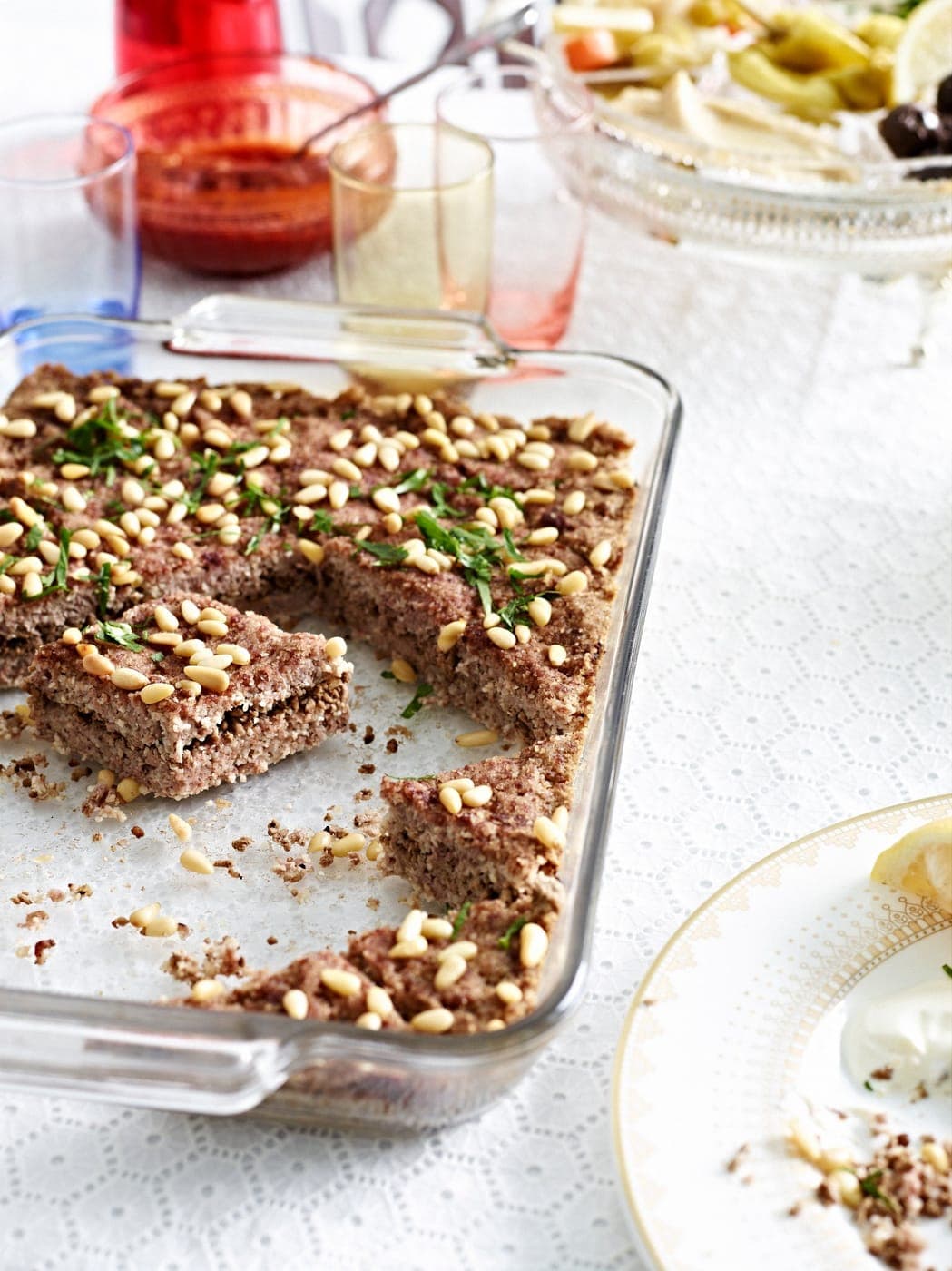
Our collection includes baked kibbeh. The questions worth recording are how the mixture is worked, how the filling differs from the outer layers, what texture the cook expects and how the tray is portioned. A recipe’s identity involves those relationships as well as its headline ingredient.
Freekeh begins before the grain is fully ripe
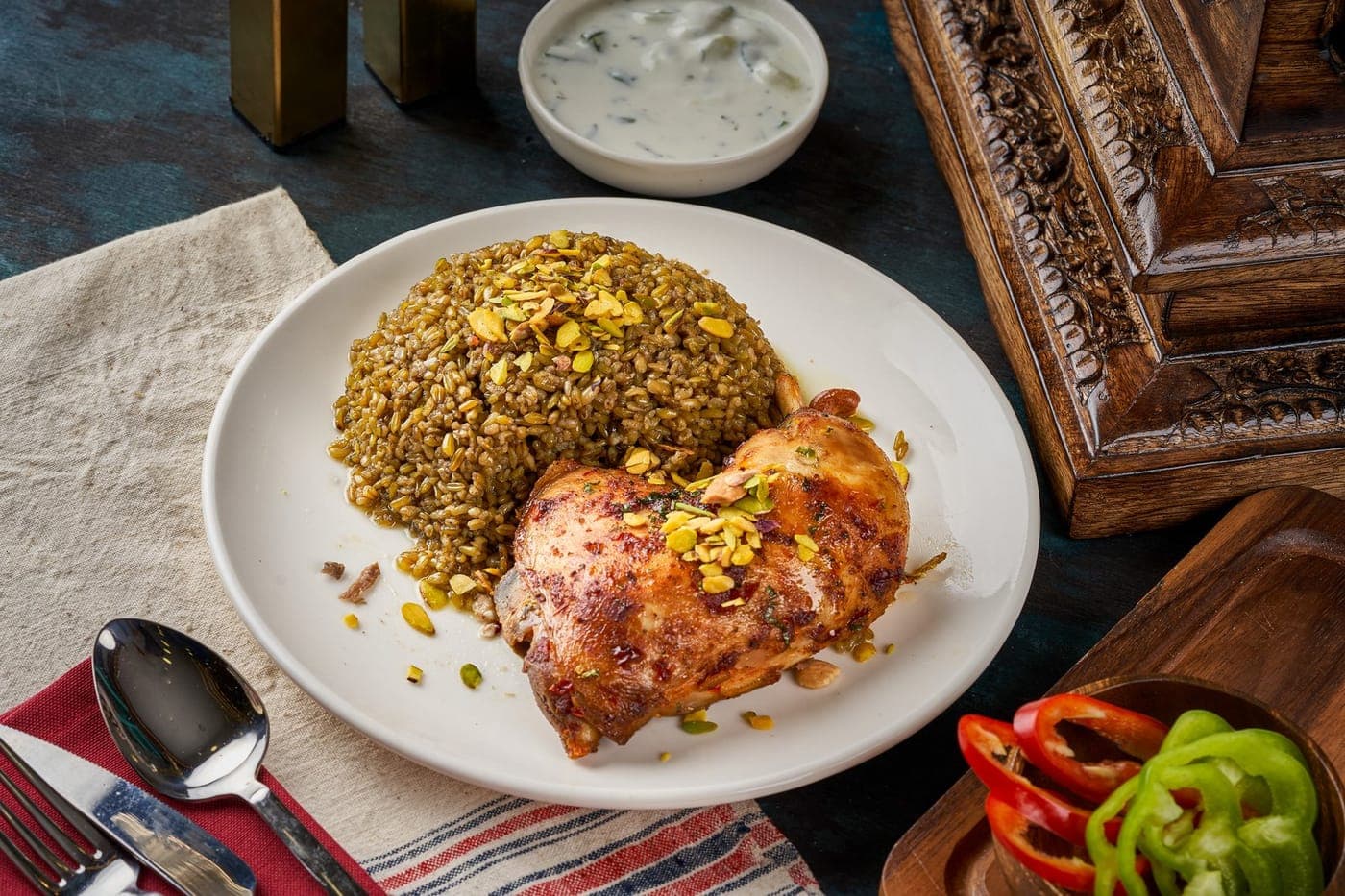
Slow Food’s Jabal Amel documentation describes wheat harvested while still green, then roasted so that the husks burn and the grain acquires its toasted character. The account centres on producers in southern Lebanon and the work of harvesting and processing. This is a specific regional practice, not proof that freekeh belongs exclusively to one modern country.[3]
The same source recounts a story in which villagers rescued grain after attackers burned their fields. It explicitly calls that story a legend. We can preserve it as a story people tell without assigning it a verified date or presenting it as the discovery of freekeh.[3]
Preserve the maker’s knowledge too
A useful comparison begins with separate bowls of the uncooked grains. Record colour, size and aroma, then ask the producer about the wheat and its processing. Do not assume every packet labelled freekeh has the same roasting intensity, or that one remembered texture is universal.
For family history, a photograph of the grain beside the packet can be as valuable as a polished photograph of the final meal. Add the cook’s own explanation of what they would change if the grain were coarser or the batch drier. That is the practical intelligence a bare ingredient list often misses.
What to carry to the table
The grain’s processing and the cook’s technique help define the dish. Regional variety is something to document, not flatten into a single “original”.
Ask someone who remembers.
Who taught you to recognise the right grain by looking at it or feeling it between your fingers?
Share a story or a correction ↗Sources & further reading
Historical evidence and contemporary cooking references serve different purposes. The notes below explain how each source was used. Sources checked 29 August 2026.
- Traditional Kishk ↗
Slow Food Foundation, nominated by Barbara Massaad and Nour Helou
Lebanese dairy and bulgur preservation practice. Unsubstantiated ancient-jar and health claims are not used.
- Lebanese Pumpkin Kibbeh ↗
Maureen Abood
A documented contemporary vegetarian kibbeh with spinach and chickpeas.
- Jabal Amel Freekeh ↗
Slow Food Foundation
Producer documentation of green wheat and roasting. Its burning-field origin story is explicitly labelled a legend.